What is Osteoarthritis?
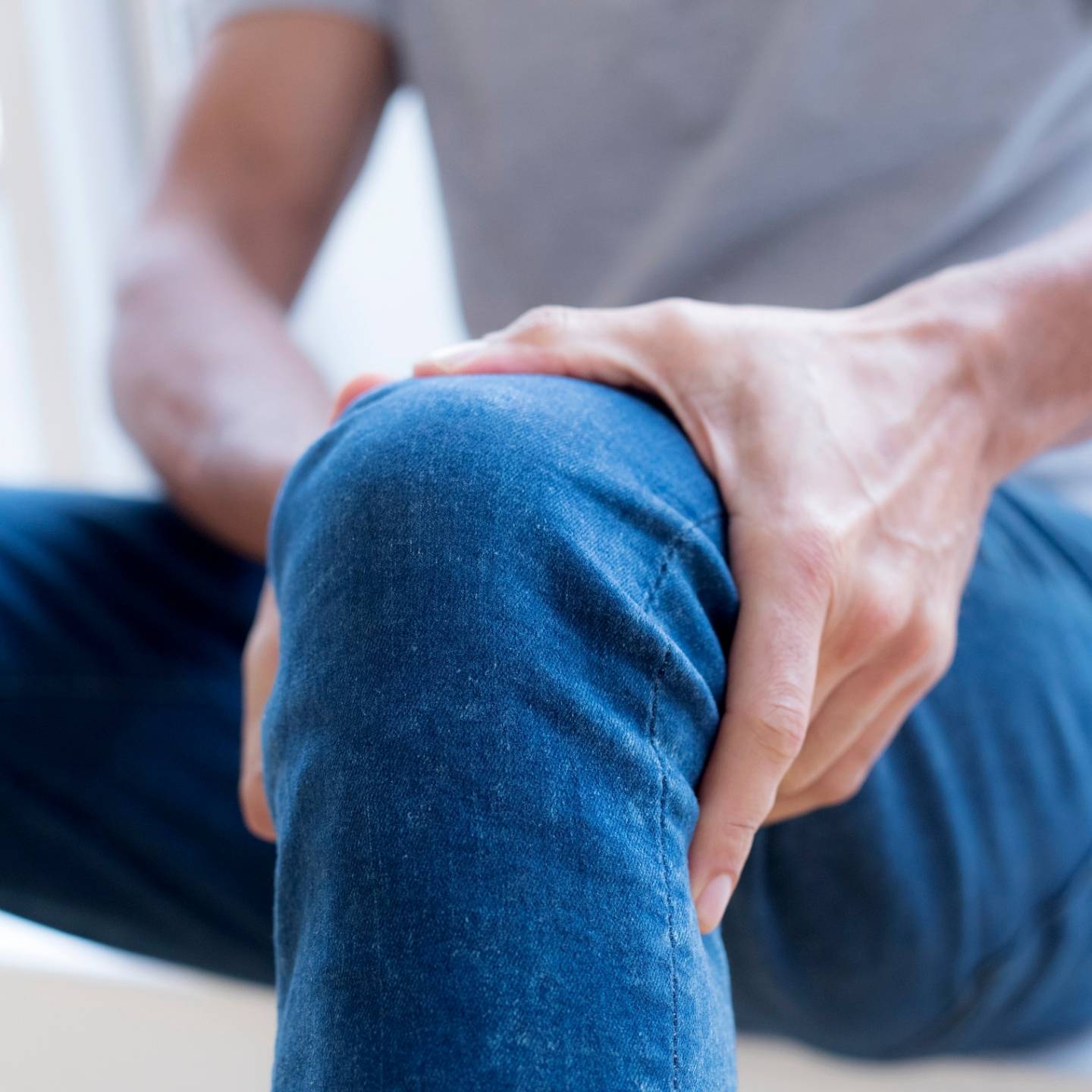
Osteoarthritis affects the whole joint, including the cartilage, bone and surrounding soft tissues. It often develops from normal wear and tear, but injuries can also cause it. Cartilage in the joint acts as a cushion to allow bones to glide easily as the joint bends. This cartilage wears down over time, becoming thinner and rougher. As the joint tries to repair itself, the underlying bone may change shape and small bony growths (spurs) may form.
Symptoms may include:
- Joint pain and stiffness
- Swelling or warmth around the joint
- Grinding or clicking noises when you move
- Reduced range of motion.
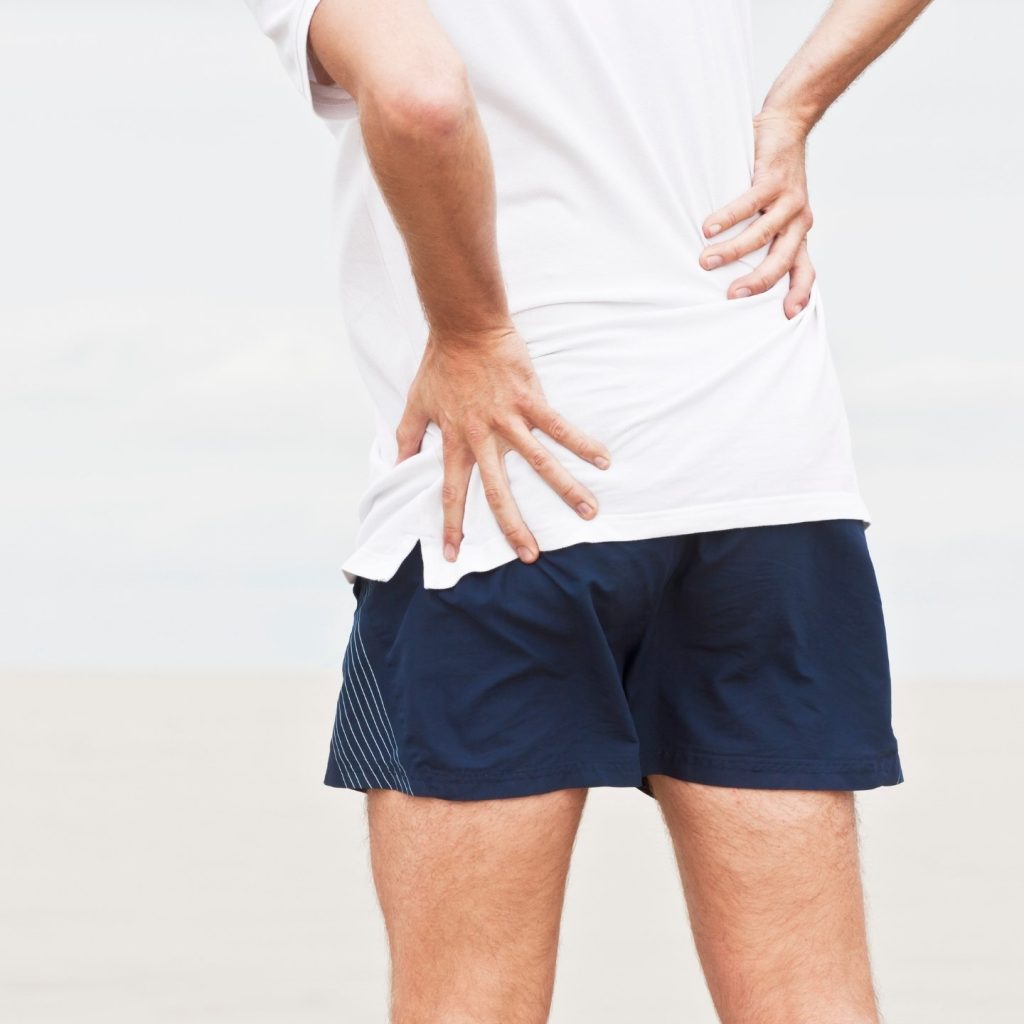
Osteoarthritis most often affects weight-bearing joints such as the knees, hips and ankles, but it can also develop in the shoulders, hands, wrists or spine. If you’re experiencing symptoms that last for more than three days, or frequently within a month, you should speak to your doctor about your joint health.

How is Osteoarthritis Diagnosed?
To begin with, your GP will discuss your symptoms and examine your joints. Checking for tenderness, swelling and range of motion. Depending on your symptoms, they may refer you for diagnostic imaging like:
- X-ray: This is the most common test for osteoarthritis. It can show narrowing of the joint space, bone spurs, and changes to the joint surfaces.
- Ultrasound: Looks at the soft tissues around the joint, including tendons, ligaments, and fluid levels.
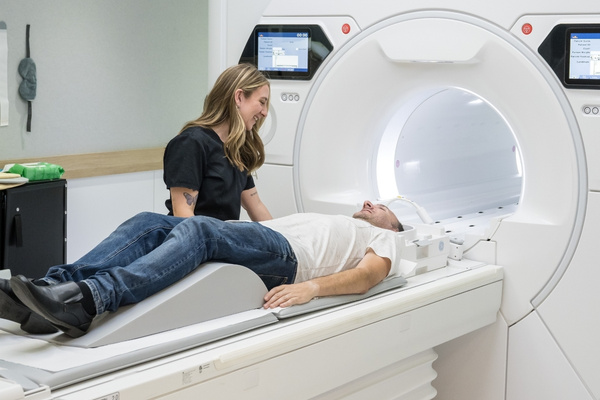
- MRI (Magnetic Resonance Imaging): May be used when more detailed soft tissue information is needed, particularly for early or complex cases.
Your GP may also request blood tests to rule out other forms of arthritis, such as rheumatoid arthritis.
How is Osteoarthritis Treated
If you’ve been diagnosed with osteoarthritis, your doctor may discuss a range of management options with you. Depending on your symptoms, these can include:
- Exercise and physiotherapy
- Heat or cold therapy to relieve stiffness and pain
- Medications to relieve pain and reduce inflammation
- Weight management strategies
- Specialist procedures performed under image guidance
Consultations for Joint Pain Conditions
Our Sunshine Coast Radiology clinics offer consultations for joint pain conditions such as osteoarthritis.
- If your doctor considers that this procedure may be right for you, they will provide you with a referral.
- Medicare rebates may apply depending on the procedure type and referral details
- Once your referral is received, our friendly booking team can help you schedule an appointment and advise you of any out-of-pocket costs
At your appointment, our specialist radiologists will use advanced imaging such as X-ray, CT or ultrasound to accurately guide your procedure.

Image-guided Procedure for Osteoarthritis and Joint Pain relief
This procedure may work best when the joint is less swollen or inflamed so you may be given some anti-inflammatory treatment before starting your treatment series.
- You will also be asked to bring along any previous x-rays, CT scans, ultrasound or MRI examinations. They provide valuable additional information to the attending Radiologist.
The procedure is performed under CT guidance and sterile conditions by a radiologist. - The treatment involves the injection of a gel-like substance designed to support joint function
- Treatment usually involves a series of three procedures, spaced one or two weeks apart. Each appointment takes approximately 10–15 minutes, and in most cases, you will be able to drive afterward.
- At the first appointment, your radiologist may remove any excess fluid from the joint at the start of the procedure.
- After your procedure, you may be advised to rest the joint for around 48 hours and avoid activities that tend to aggravate symptoms.
- Benefits are often most noticeable after six to eight weeks, and for some people, relief can last several months.
- Information provided here is general in nature and not a substitute for specific professional medical advice for your symptoms.
Side Effects and Risks
- Temporary swelling or stiffness in the joint
- Mild pain or bruising at the injection site
- Very rarely, infection. If you notice fever, redness, swelling or warmth in the joint after the procedure, contact your doctor promptly.
Backed by Science
Your Partner in Managing Osteoarthritis and Joint Pain Relief
Living with osteoarthritis and joint pain can be challenging. With the support of your GP, allied health professionals and specialists, you can manage your symptoms and pain. Your healthcare providers are committed to help you keep participating in the activities you love.
If you’re referred for an image-guided procedure for osteoarthritis and joint pain relief, the radiology team at Imaging Queensland will work closely with you and your referring doctor to support the best outcome for your symptoms. You can also read more about some other interventional procedures.